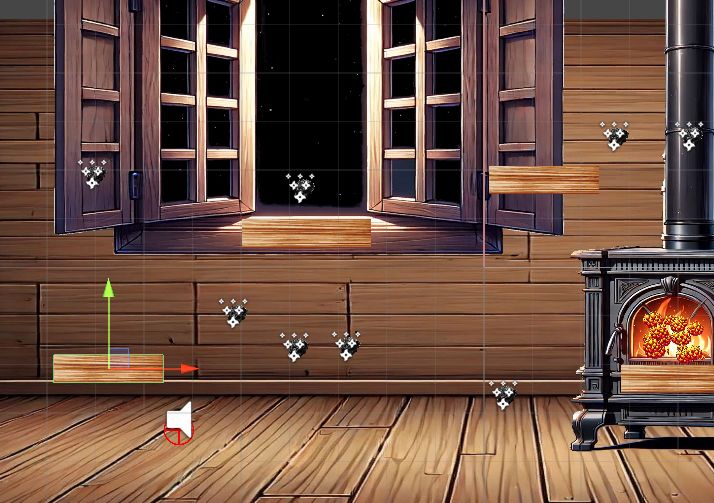
In the world of computer games and interactive applications, rendering is an essential part of how our digital world looks and feels. From breathtaking landscapes to detailed characters, rendering contributes significantly to immersion and visual quality. But what exactly is behind this complex process? Let's take a deeper look into rendering and understand how it works, what types there are, and what role it plays in game and application development.
What is rendering?
Rendering is the process of converting 3D models and scenes into 2D images or animations. Various visual effects such as lighting, shadows, textures and effects are added to achieve a realistic and attractive visual result. This process takes place in real time (Real-Time Rendering) or offline (Offline Rendering), depending on the requirements of the project and the available hardware.
Types of rendering
- Real-time renderingReal-time rendering is used in video games, simulations, and interactive applications to enable fast and responsive visual presentation. This involves using graphics engines such as Unity, Unreal Engine or CryEngine is used to render 3D scenes in real time and provide the player with an immersive experience.
- Offline rendering: In offline rendering, the graphics are created in a non-interactive environment where time and resources are not an issue. This method is commonly used in film production, architectural visualization, and product visualization to produce high-quality, photorealistic images and animations. Programs such as Blender, Autodesk Maya and Cinema 4D are popular tools for offline rendering.
The rendering pipeline
The rendering pipeline is the process by which 3D models and scenes are converted into 2D images or animations. This pipeline consists of several phases including:
- Geometry processing: In this phase, the 3D models and their properties such as positions, rotations and scales are processed and converted into a shape suitable for rendering.
- Lighting and shading: This is where lighting effects such as lights, shadows and reflections are calculated to make the scene look realistic. This also includes the application of materials and textures to the surfaces of the objects.
- Rasterization: The scene is converted into screen coordinates and resolved into pixels. This process involves checking which objects are visible and determining their colors and positions in the image.
- Post processing: After the scene is rendered, post-processing effects such as bloom, depth of field, and color corrections can be added to improve the final visual result.
The role of rendering in game and application development
Rendering plays a crucial role in game and application development as it is instrumental in improving visual quality and immersion. By properly applying rendering techniques, developers can create realistic worlds that captivate players and users. Additionally, rendering allows complex data and information to be presented in a visually appealing and easy-to-understand manner, which is highly useful in applications such as data visualization and simulations.
Overall, rendering is a fascinating and crucial aspect of digital design that is constantly evolving to provide even more realistic and immersive visual experiences. With ongoing research and innovation in this area, we will continue to be surprised by new and exciting rendering technologies in the future.
For example, rendering is important when it comes to creating 2D light and shadow goes
Continue to an article on the topic Rendering in Unity